
Veterinarians are already engaged in wild animal welfare science. Now, the field needs to grow.
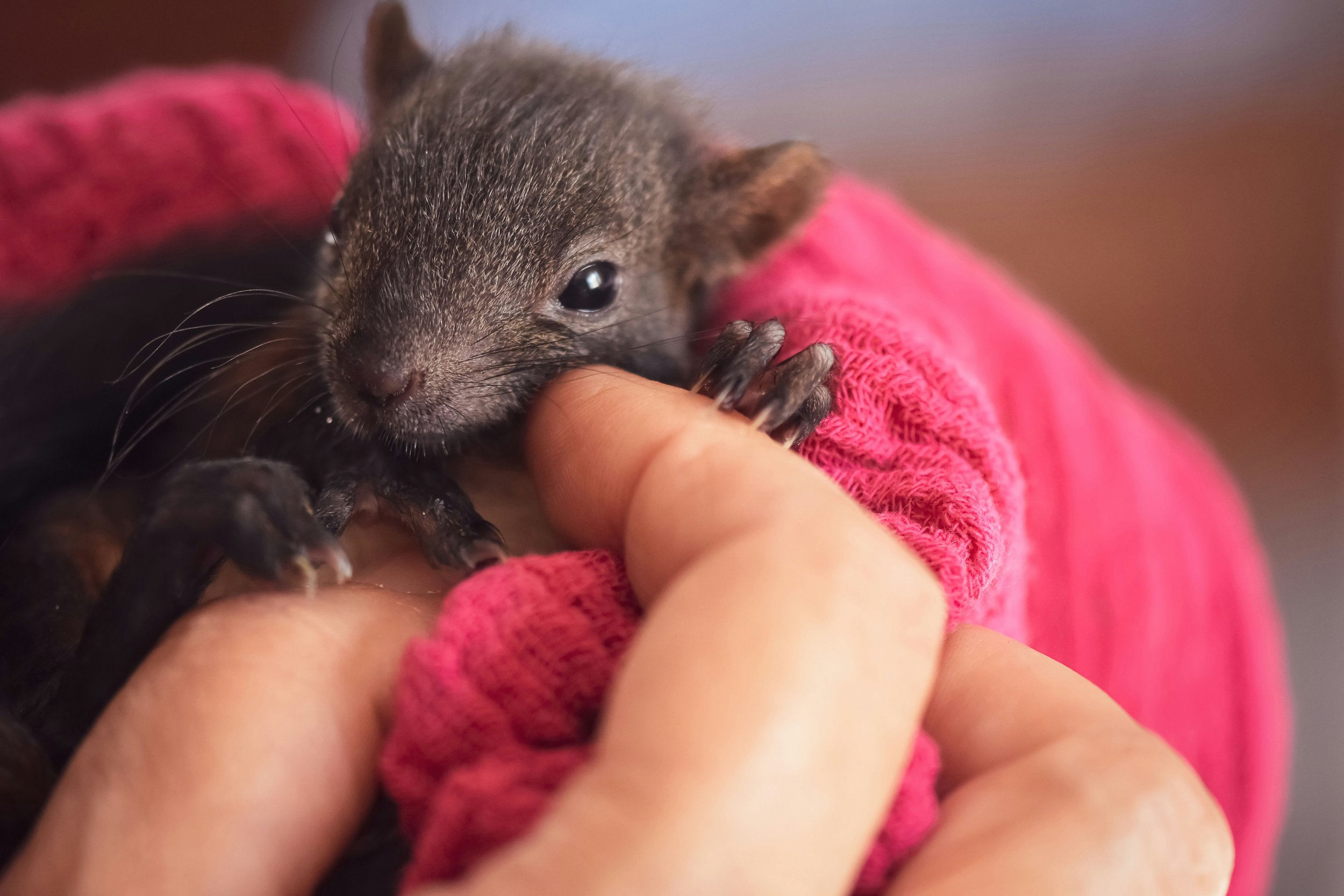
A new paper by Wild Animal Initiative’s Research Manager, Michaël Beaulieu, examines the representation of veterinarians in wild animal welfare science and related fields.
July 27, 2026
Veterinarians have a lot to offer wild animal welfare science. Animal welfare is a major component of their education, and the same knowledge and skills that enable them to attend to the welfare of companion, farmed, and laboratory animals also equip them to improve the welfare of sick or injured animals in the wild — at wildlife rescue and rehabilitation centers, for instance.
But conducting wild animal welfare research requires a background in wildlife science, which most veterinarians lack. Wild animals and the natural environment are under-covered in veterinary degree programs, and there are few opportunities for veterinarians to gain research experience. Without this necessary research background, veterinarians may not be equipped or motivated to contribute to wild animal welfare science or wildlife research more broadly.
To explore this problem and to better understand what might enable veterinarians to participate in wildlife research, Wild Animal Initiative Research Manager Michaël Beaulieu and students at the UniLaSalle Veterinary College conducted a study examining the factors that affect the representation and contribution of veterinarians in wildlife-oriented research.
Veterinary representation in wild animal welfare science
The primary aim of the study was to quantify the current representation of veterinarians in the emerging field of wild animal welfare science and compare it to their representation in more established wildlife-oriented research disciplines.
To do this, the team first looked at research articles published over the last decade in three journals focusing on animal welfare (Animal Welfare, Journal of Applied Animal Welfare Science, and the animal welfare section of Animals). Among these animal welfare articles, they identified 64 that reflected the scope of wild animal welfare science (i.e., conducted in the wild or examining questions applicable to wild animals). After searching for the educational background of each of the authors, they found that almost half of these wild animal welfare articles included at least one author with a veterinary background.
To examine how this pattern compared with more established wildlife-oriented research disciplines, the researchers followed the same reviewing procedure for articles published in theme sections related to animal behavior, conservation, ecology, and physiology, as categorized in a selection of four generalist journals (Proceedings B, Biology Letters, Functional Ecology, and Oecologia). Even though the number of research articles they could examine here was much higher (N = 5,608 articles), they found that the representation of veterinarians in these more established research disciplines was much lower than in wild animal welfare science: The proportion of articles that included at least one veterinary author ranged between 2% and 4%, depending on the discipline.
These results suggest that even though veterinarians’ limited exposure to wildlife science may reduce their engagement in wildlife research in general (as observed in established research disciplines), this seems to be a lesser obstacle in wild animal welfare science. These findings should be interpreted cautiously, though, since the number of wild animal welfare articles available was relatively low.
Potential underlying factors
Wild animal welfare science has two characteristics that, together, likely distinguish it from established wildlife-oriented research disciplines in the eyes of veterinarians — and make them more likely to engage in it. The first is its familiarity (veterinarians are trained in animal welfare), and the second, its expected practical applicability (wild animal welfare research should ultimately lead to evidence-based interventions to improve the welfare of wild animals). The effect of these distinguishing characteristics may be reinforced by the persistence of veterinarians’ early interests in animal welfare and wildlife after completing their studies.
The high representation of veterinarians in the emerging field of wild animal welfare science and their low representation in other wildlife-oriented research disciplines tells us that the combination of familiarity, practical applicability, and persistent personal interests could offset veterinarians’ low exposure to wildlife science, as well as wild animal welfare science’s status as an emerging research field (which makes it a more uncertain career pathway than long-established fields).
It’s worth noting, though, that most veterinary authors of wild animal welfare research articles had an additional PhD in subjects like veterinary science, wild animal health, or ecology and evolution. This suggests that veterinarians’ primary education does not sufficiently prepare them to conduct wild animal welfare research, and that acquiring additional research knowledge and skills is necessary.
Supporting veterinarians in wild animal welfare science
Veterinary education increasingly offers courses on wild animal health, including welfare. Online courses in wild animal welfare are also available, and various veterinary initiatives can provide them with additional training in wildlife biology and health.
With the emergence of opportunities like these, veterinarians will likely become more prepared to actively contribute to the field of wild animal welfare science. But to become full contributors to the field, veterinarians must also become more adept in wildlife research.
Right now, most veterinarians conducting wild animal welfare research compensate for their lack of familiarity with wildlife research by gaining research experience through an additional PhD. But because this additional training requires motivation, time, and money, it’s only available to those who can afford it. If research skills were incorporated directly into veterinary education instead, veterinarians with a broad variety of profiles would be equipped with the skills they need to conduct wild animal welfare research.
But veterinarians will engage in wild animal welfare science at a significant scale only if the research field is perceived as being at least as attractive and professionally safe as all of the other options available to them — like clinical practice, diagnostic laboratories, and industry.
Wild Animal Initiative is working to strengthen and accelerate the field of wild animal welfare science — a mission that we hope will also increase its appeal to a wide variety of people interested in wildlife research, and encourage research institutions to create new wild animal welfare research positions that veterinarians can fill. If you’re a veterinarian interested in getting involved in wild animal welfare research, please get in touch.
“Ready to go wild? Factors affecting the representation and contribution of veterinarians in a selection of wildlife-oriented research disciplines” was published in the August 2026 issue of Research in Veterinary Science.