
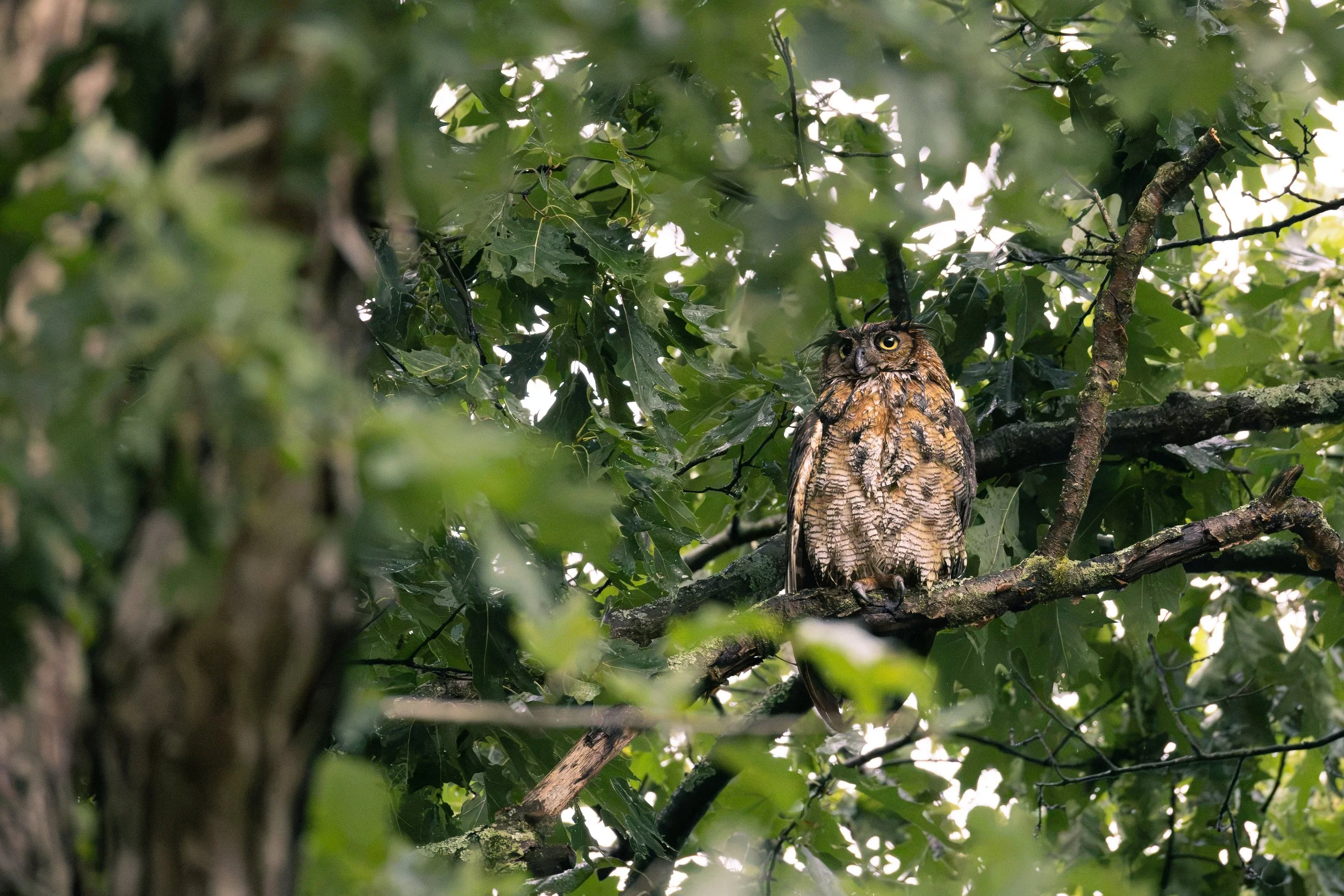
Mentorship program
Our Mentorship Program connects experienced wild animal welfare researchers with those who are newer to the field.
One of the ways we support researchers working on wild animal welfare science is by ensuring they are equipped with the knowledge and skills they need to succeed. Our Mentorship Program aims to deepen the skills of both mentors and mentees, providing individualized training and opportunities to connect with other researchers in the field.
Wild Animal Initiative’s Mentorship Program encourages regular meetings between mentors and mentees, facilitates peer-to-peer networking, offers program and leadership training, and provides funding to support collaborations.
The first mentorship cohort will run from January to May 2027. See below for details, including information on eligibility, key dates, and more.
Mentors
Looking to support researchers new to the field and deepen your leadership skills? Find out more about the benefits of mentoring, eligibility, and how to apply.
Mentees
Looking to learn from an experienced wild animal welfare researcher? Find out more about becoming a mentee, eligibility, and how to apply.
Key dates and time requirements
The Mentorship Program will run from January to May 2027, with applications to participate open in autumn 2026. Participants are expected to meet virtually with their paired mentor/mentee for at least 1 hour every month for the duration of the program. Actual time spent meeting with your mentor/mentee will vary based on agreements you make with each other, meaning some mentor and mentee pairs may meet more or less frequently.
Participants are also encouraged to attend our monthly training events focused on growing leadership skills, making the most of the program, and connecting with other researchers in wild animal welfare science.
See the full 2026–2027 provisional schedule below.
Date |
What's happening |
|---|---|
| Oct. 28, 2026 | Mentor applications open |
| Nov. 13, 2026 | Mentee applications open |
| Dec. 11, 2026 | Applications close |
| Jan. 8, 2027 | Applicants notified of results |
| Jan. 20, 2027 | Mentor training |
| Jan. 21, 2027 | Mentee training |
| Jan. 27, 2027 | Matching meet-and-greet event |
| By Feb. 12, 2027 | Mentor–mentee pairings announced |
| Feb. 17, 2027 | Kickoff event |
| Mar. 17, 2027 | Mentor training and mixer event |
| Mar. 18, 2027 | Mentee mixer event |
| Apr. 20, 2027 | Mentor–mentee mixer event |
| May 26, 2027 | Closing event |
Frequently asked questions
-
Anyone with experience conducting scientific research on the welfare of wild animals. You do not need to be at a specific career stage, provided you have more experience in wild animal welfare research than your mentee. For example, a doctoral researcher could mentor a master’s or undergraduate student, or an associate professor with several years of experience in wild animal welfare research could mentor a professor looking to focus their research on wild animal welfare. Find out more on our Mentor page.
-
Anyone over the age of 18 seeking mentorship in wild animal welfare research or careers. Find out more on our Mentee page.
-
No. But training and networking with other participants is a large component of the program, so we strongly encourage you to attend any events that you’re able to, and you are expected to watch the recordings of training workshops if you are unable to attend them live.
-
Mentor-mentee pairs are expected to meet virtually for at least 1 hour every month between February and May 2027. Actual time spent meeting with your mentor or mentee will vary based on agreements you make with each other, though, so some mentor and mentee pairs may meet more or less frequently than this.
-
Yes. However, we recommend that you carefully consider what you hope to gain from both experiences and consider your own time and availability. You are welcome to apply to be both a mentor and a mentee if you:
Feel that you would benefit from discussing your research or career with a more experienced wild animal welfare scientist, and
Feel that you could provide support and advice to someone less experienced than yourself, and
Feel that you have the time to commit to being both a mentor and a mentee.
-
No. The program, including training and other events, is entirely free for participants.
-
No, we do not provide monetary rewards for being a mentor. The benefits of participating as a mentor include expanding your network in the field, growing leadership skills, and giving back to the community. There are limited microgrants available to support mentor/mentee meetups and small collaborative projects.
-
Microgrants of up to $1,000 will be available to enable travel for mentors and mentees to meet at conferences or for laboratory/field visits, and to facilitate small collaborative projects. Further details of these microgrants and how to apply for them will be provided when mentor/mentee pairings are announced.
Code of Conduct
Wild Animal Initiative opposes all systems of oppression and builds diversity, equity, and inclusion into all of our activities and operations. By participating in Wild Animal Initiative’s Mentorship Program, you are agreeing to abide by our Code of Conduct and the additional stipulations below.
Participants in the Mentorship Program will:
Treat others with respect and consideration.
Keep discussions between mentors and mentees confidential.
Value the diversity of opinions and experiences that your mentor or mentee has.
Discuss with your mentor or mentee your expectations, boundaries, any areas or topics you don’t want to discuss, and what safe mentorship means for both of you.
Be conscientious of your mentor or mentee’s time and communication style.
Avoid personal attacks, and critique ideas rather than people.
Wild Animal Initiative reserves the right to remove any participants from the program who do not adhere to these stipulations.
Further information
Further information can be found on the pages for mentors and mentees. If you have further questions about the Mentorship Program, please contact services@wildanimalinitiative.org