

Library
Browse resources published by our research team.
In addition to full texts of our peer-reviewed articles, our library includes research digests that break down our peer-reviewed articles; in-depth reports that thoroughly examine a topic; commentaries that explain the significance of particular issues in wild animal welfare science; and short communications that briefly survey a field or topic.
Wild Animal Initiative adheres to Open Science TOP Guidelines. Read more here.
The emerging field of wild animal welfare science
Vittoria Elliott et al.
Elliott, V., et al. (2026). The emerging field of wild animal welfare science. Trends in Ecology & Evolution, https://doi.org/10.1016/j.rvsc.2026.106229
This paper was published online in June 2026 by Trends in Ecology & Evolution. It was authored by Wild Animal Initiative’s former Science Director, Vittoria Elliott, former Strategy Director Mal Graham, and co-authors.
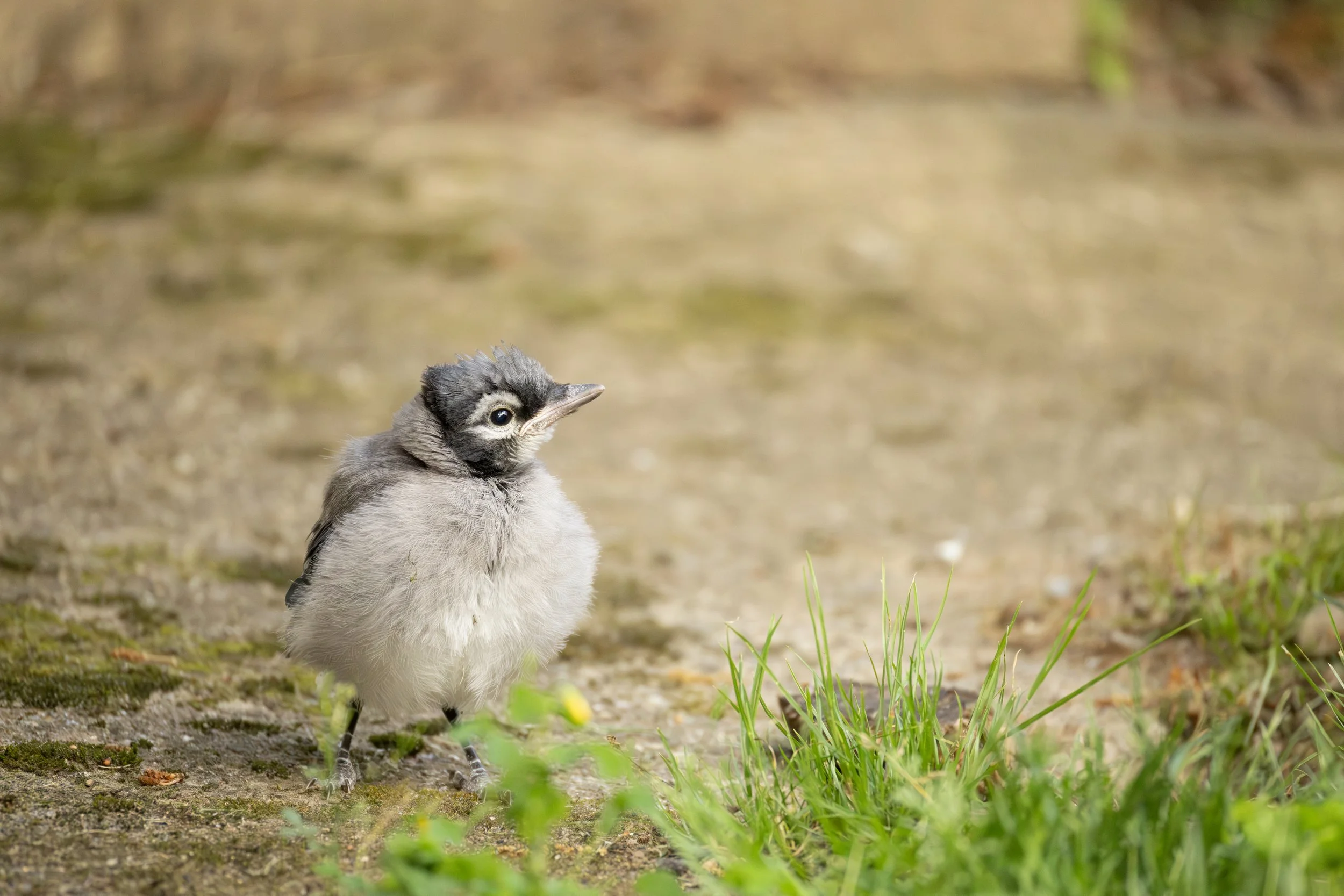
Abstract
The emerging interdisciplinary field of wild animal welfare science (WAWS) explicitly expands the study of welfare to animals in the wild. It has applied value in informing how to improve the welfare of wild animals, ensuring they can thrive as well as survive in the face of the challenges of the Anthropocene. It also has intellectual value by generating new knowledge and insights about the affective states of wildlife. We aim to help scientists and practitioners understand how WAWS can support their work. To facilitate engagement in the field, we articulate core principles and key characteristics, and explore opportunities and challenges. We encourage those with relevant interests to engage in the field’s development and application.
Learn more about the field of wild animal welfare science:
Blog post: Core Concepts: Wild animal welfare science
Research sense: Incorporating animals’ sensory capacities in animal care and study design
Mal Graham, Bob Fischer
Graham M., Fischer B. (2026). Research sense: Incorporating animals’ sensory capacities in animal care and study design. Laboratory Animals. 2026;60(2):220-224. https://doi.org/10.1177/00236772251385784. (First published online December 14, 2025.)
Co-authored by Wild Animal Initiative Strategy Director Mal Graham, this paper was first published online in Laboratory Animals in December 2025.
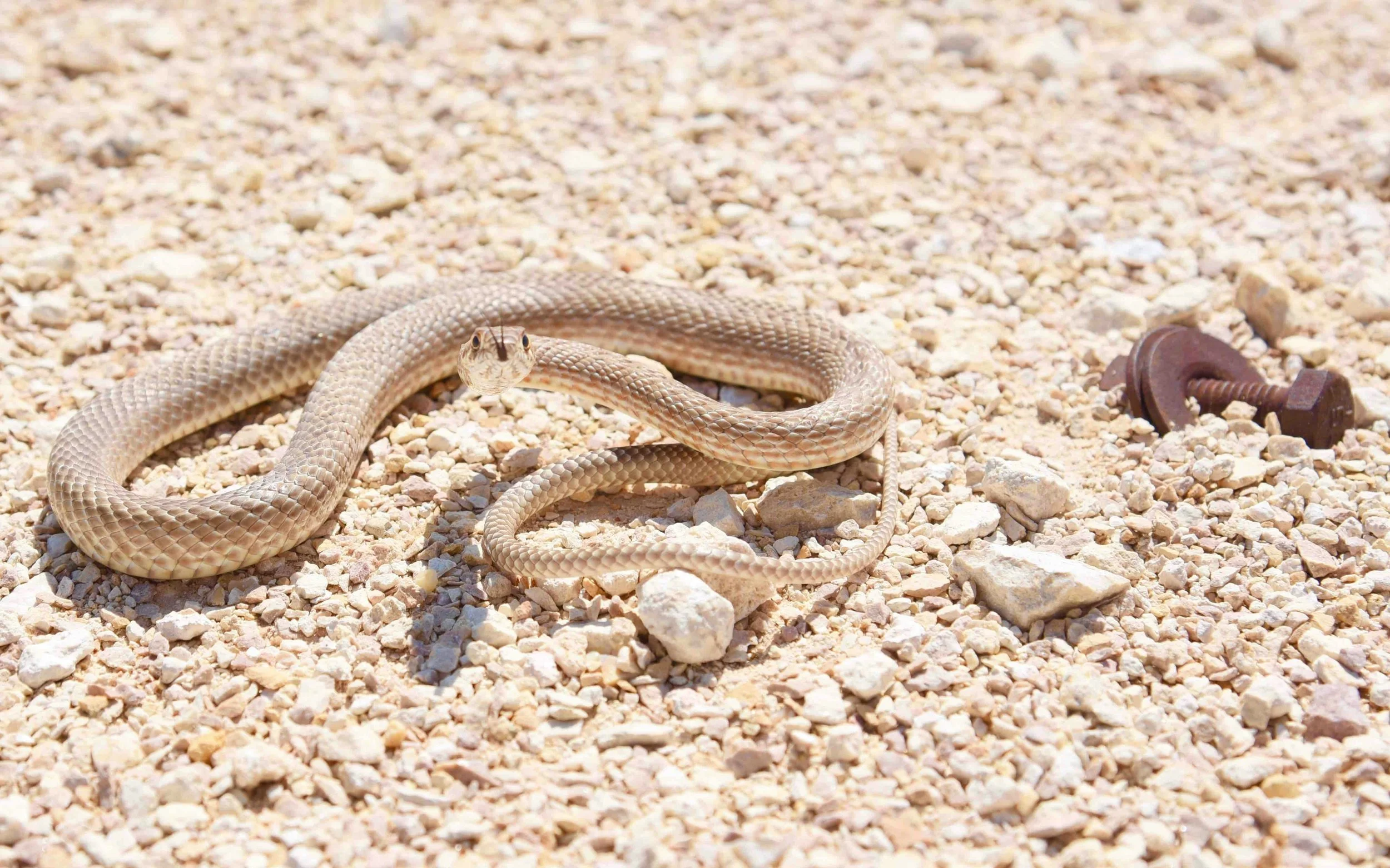
Abstract
No systematic procedures exist to ensure that differences in animal sensory capacities are accounted for in experimental design and ethical review processes. This oversight can compromise both scientific validity and animal welfare. This review presents three practical methodologies to address this gap: incorporation of specialist expertise through consultation frameworks, voluntary certification schemes modeled on Open Science practices, and mandatory sensory capacity review integrated into existing ethics committee processes. We provide a concrete tool — a sensory modality survey — that can be implemented by institutional review committees to evaluate sensory considerations in research proposals systematically. These approaches align with the 3Rs principles by enhancing experimental refinement and potentially reducing animal use through improved study design.